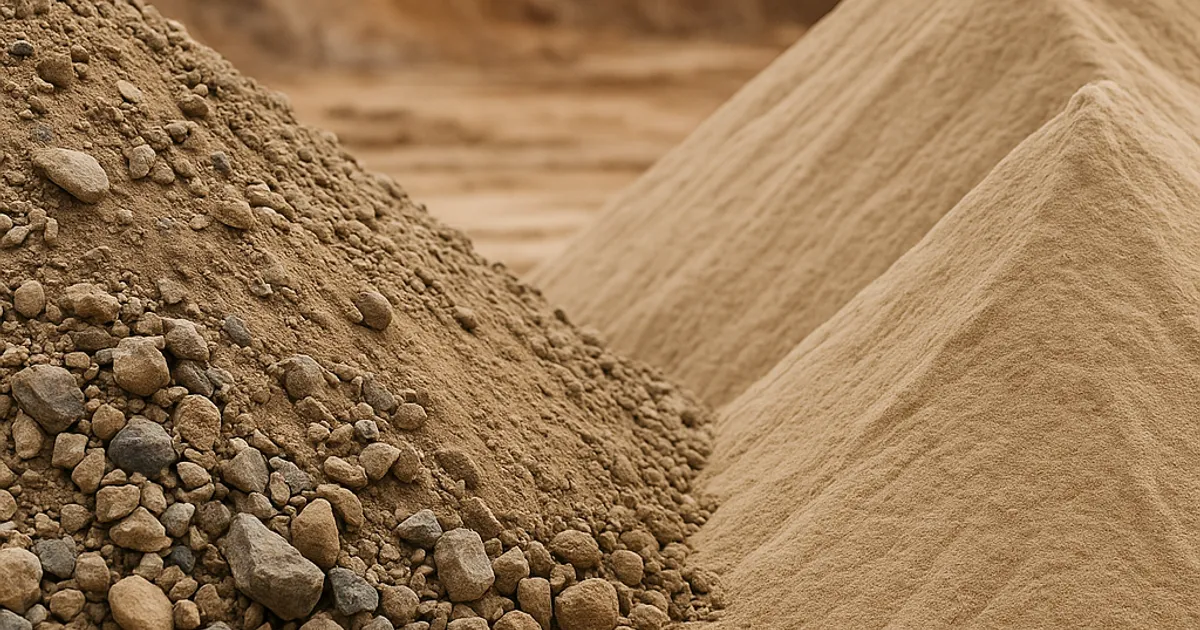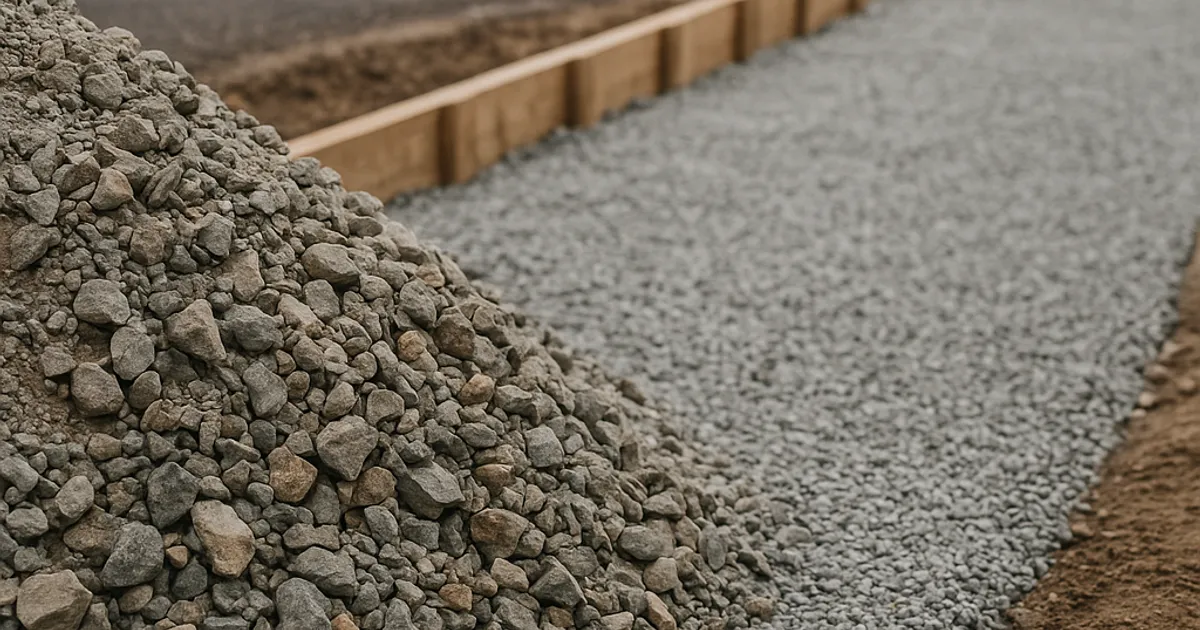
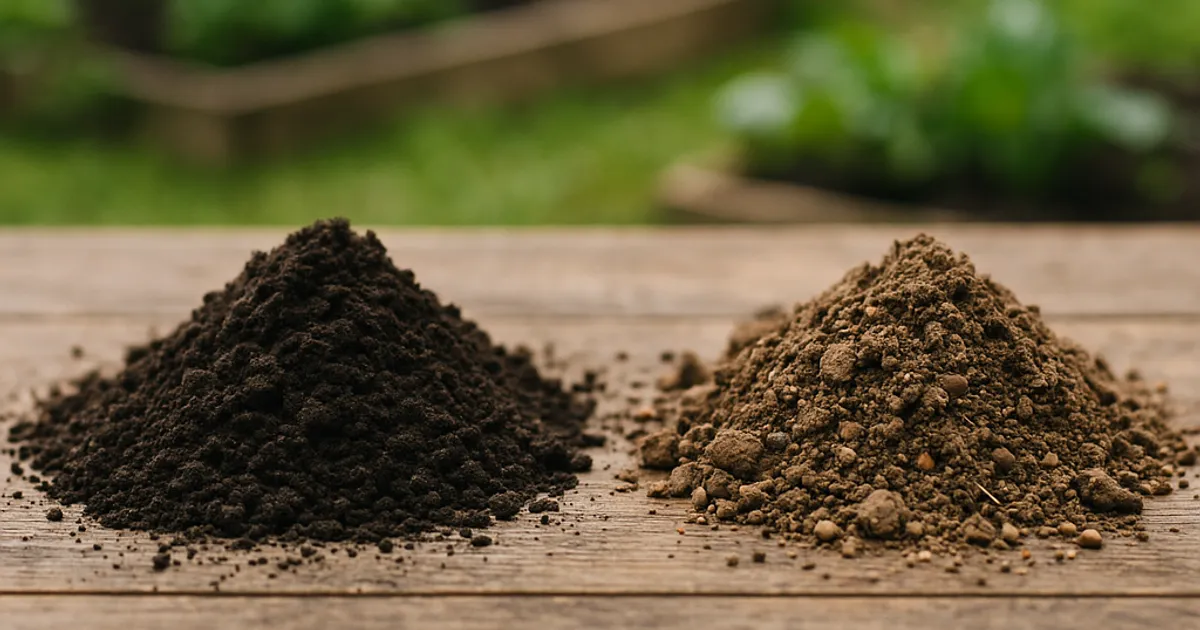
Walk into any garden center or call a local materials supplier, and you'll quickly encounter two terms used so often they've become almost interchangeable in casual conversation: topsoil and garden soil. But for contractors, landscapers, agricultural professionals, and serious gardeners, these two materials are distinct products with different compositions, different performance characteristics, and very different appropriate uses.
Using the wrong material — spreading bagged garden soil across a new lawn grade, or filling raised beds with raw bulk topsoil — can result in poor plant performance, drainage failures, compaction problems, and significant wasted investment. With bulk topsoil ranging from $12 to $55 per cubic yard and premium garden soil blends fetching $35 to $120 per cubic yard or more in retail formats, the financial stakes of making the wrong choice are real.
This guide cuts through the confusion with science-backed explanations, industry standards, cost breakdowns, and practical sourcing advice designed to help you make the right call every time.
What Is Topsoil? The Science and the Standards
Topsoil is the uppermost layer of the earth's mineral soil profile — typically the top 2 to 8 inches of naturally occurring ground, though this varies considerably by geography. It is defined not by what has been added to it, but by where it naturally exists in the soil horizon. In formal soil science terms, this layer is referred to as the "O horizon" (organic surface layer) and the "A horizon" (mineral-rich topsoil layer), as classified by the USDA Natural Resources Conservation Service.
Natural topsoil is a complex ecosystem. It contains:
- Mineral particles — a mixture of sand, silt, and clay in varying ratios depending on geographic origin
- Organic matter — decomposed plant and animal material, typically comprising 1% to 6% of natural topsoil by weight
- Soil microorganisms — bacteria, fungi, protozoa, and nematodes that drive nutrient cycling
- Moisture and air — held in the pore spaces between particles
The ideal topsoil for most applications is a loam — roughly 25–50% sand, 25–50% silt, and 10–25% clay — which provides a balance of drainage, aeration, and moisture retention. However, what's sold commercially as "topsoil" is far less standardized than most buyers assume.
The Topsoil Quality Problem
Here's the uncomfortable truth: in the United States, there is no federal regulatory standard that defines what "topsoil" must contain to be sold under that label. Individual states vary widely. Some states have adopted voluntary guidelines — for example, the American Society for Testing and Materials (ASTM) standard D5268 provides specifications for topsoil used in landscaping applications, covering pH ranges (5.5 to 7.5), organic matter content (at least 2%), and texture classifications — but compliance is voluntary.
What this means in practice is that bulk topsoil sold from one supplier to the next can range from rich, dark, loamy material teeming with microbial life, to pale, compacted subsoil with little organic content scraped from a construction site. The industry broadly categorizes commercial topsoil into three grades:
| Grade | Description | Best Use |
|---|---|---|
| Premium/Select | Screened, pH balanced, 3–6% organic matter | Lawn seeding, landscaping, fill with plant establishment |
| Standard | Screened, moderate organic matter, may include clay | General grading, fill, base layers |
| Economy/Fill | Unscreened, high clay or subsoil content | Structural fill, grading without plant needs |
For large earthwork or grading projects where soil needs to be moved, redistributed, or balanced across a site, contractors frequently need access to significant volumes of topsoil. Platforms like DirtMatch help connect contractors and landowners with nearby sources of excavated topsoil, reducing hauling distances and material costs significantly on bulk earthmoving jobs.
What Is Garden Soil? Engineered Growing Media Explained
Unlike topsoil, garden soil is not a naturally occurring material. It is an engineered growing medium — a manufactured blend designed specifically to support plant growth in defined conditions like raised beds, in-ground vegetable gardens, or planting borders.
While formulas vary by manufacturer, most commercial garden soils contain some combination of:
- Topsoil or loam as a mineral base (typically 30–50% by volume)
- Compost — composted plant material, food waste, or manure (often 20–40%)
- Peat moss or coir — for moisture retention and aeration (10–30%)
- Perlite or pumice — volcanic glass or rock for drainage and preventing compaction (5–15%)
- Fertilizer amendments — slow-release synthetic or organic nutrients
- Lime or sulfur — to adjust and buffer pH
The result is a product with significantly higher organic matter content (often 15–30%), better aeration, and more balanced nutrient availability than raw topsoil. According to research published by the University of California Cooperative Extension, amended growing media with 25–35% organic matter by volume supports significantly better vegetable crop yields compared to unamended native soil in most California growing regions.
Garden Soil Is Not a Universal Solution Either
Despite its engineered advantages, garden soil has important limitations:
- It is not appropriate for large-scale grading. The high organic content means garden soil will settle and compress over time, making it unsuitable as a structural fill or subgrade material.
- Retail formats are impractical at scale. Bagged garden soil is sold in 1 to 2 cubic foot bags costing $6 to $15 each — roughly $200 to $500 per cubic yard equivalent. Bulk delivery options exist but are still far more expensive than bulk topsoil.
- It can become waterlogged in non-raised applications. Without container walls or raised bed structure to provide drainage, high-peat garden soils can become anaerobic and poorly drained when placed directly in the ground.
Composition Comparison: What's Actually Inside Each Material
Understanding the internal structure of topsoil versus garden soil requires looking at several measurable parameters that soil scientists and agronomists use to evaluate soil quality:
pH and Nutrient Availability
Most plants thrive in a soil pH range of 6.0 to 7.0. Natural topsoil pH varies enormously by region — soils in the Pacific Northwest, for example, tend to be acidic (pH 5.0–6.5), while soils in arid Western regions are often alkaline (pH 7.5–8.5). Bulk topsoil is rarely pH-adjusted before sale unless specifically requested.
Garden soils are almost always pH-buffered to the 6.0–7.0 sweet spot during manufacture, which is one of their primary advantages for food growing applications.
Organic Matter Content
Organic matter content is one of the most critical factors in soil fertility and structure. The USDA Economic Research Service identifies organic matter as central to long-term soil productivity, with research consistently showing that each 1% increase in organic matter helps soil hold approximately 20,000 additional gallons of water per acre.
| Parameter | Bulk Topsoil (Typical) | Premium Topsoil | Garden Soil |
|---|---|---|---|
| Organic Matter | 1–3% | 3–6% | 15–30% |
| pH Range | 5.0–8.0 (variable) | 5.5–7.5 | 6.0–7.0 |
| Texture | Sandy to clay (variable) | Loam | Light, friable |
| Drainage | Variable | Moderate | High |
| Nutrient Content | Low to moderate | Moderate | Moderate to high |
| Compaction Risk | High | Moderate | Low |
| Settling Risk | Low | Low–Moderate | High |
| Cost per Cu. Yd. | $12–$55 | $30–$65 | $80–$500+ |
Microbial Biology
Perhaps the most underappreciated difference between these materials is biological activity. Living topsoil from a natural, undisturbed site contains an estimated 1 billion to 1 trillion bacteria per teaspoon, along with hundreds of species of fungi, including the mycorrhizal networks that help plant roots access nutrients. Commercially processed topsoil — especially material that has been stockpiled, transported, and exposed to air and sunlight — loses a significant portion of this biological activity.
Quality garden soils made with mature compost reintroduce some of this biology through the composting process, but the microbial community in manufactured growing media is generally less diverse than in truly living, native topsoil.
When to Use Topsoil: The Right Applications
Topsoil is the correct choice in a broad range of landscaping, construction, and land management applications. Understanding where it excels helps avoid the expensive mistake of over-engineering a solution with premium garden soil.
Lawn Establishment and Repair
For establishing new lawn areas or repairing bare patches, screened topsoil (Grade 1 or premium) is the appropriate material. A depth of 4 to 6 inches of quality topsoil is the standard recommendation for new lawn installation per most state cooperative extension guidelines. Turf grasses are not heavy feeders compared to vegetables, and they are well-adapted to soil conditions that would be considered nutrient-poor for vegetable gardening.
Applying a 1/4 to 1/2 inch topdressing of screened topsoil mixed with compost is a common and cost-effective lawn repair technique.
Grading, Leveling, and Sloped Sites
For bringing a yard to grade, filling low spots, or building up sloped areas prior to seeding or sodding, topsoil is the economically sensible choice. Structural grading should always use fill or standard-grade topsoil in the lower layers, with 4 to 6 inches of quality screened topsoil placed on the surface layer for plant establishment.
Contractors working on large grading projects in urban areas often have opportunities to source or receive excavated topsoil from nearby development sites — reducing both disposal costs for the excavating contractor and material acquisition costs for the receiving project. The dirt exchange in Denver network, for example, regularly facilitates these exchanges between commercial excavation and residential grading projects across the Front Range.
Tree and Shrub Installation
Most landscape trees and shrubs should be planted in native or lightly amended topsoil rather than rich garden soil. Planting trees in highly amended garden soil can actually discourage root expansion beyond the planting hole, as roots preferentially stay in the nutrient-rich zone rather than establishing into surrounding native soil — a phenomenon well-documented in urban forestry research.
Erosion Control and Revegetation
Topsoil is commonly specified in erosion control plans, highway revegetation projects, and post-construction site restoration. Many state Department of Transportation (DOT) specifications for highway revegetation require a minimum 4-inch topsoil layer meeting ASTM D5268 standards, with specific organic matter minimums and texture requirements.
When to Use Garden Soil: Where It Truly Shines
Garden soil earns its premium price tag in applications where intensive plant growth, particularly food production, is the priority.
Raised Bed Vegetable Gardens
This is the application where garden soil truly shines. Raised beds filled with quality garden soil or a custom blend of topsoil, compost, and perlite can produce vegetable yields 2 to 3 times greater per square foot than in-ground beds in native soil, according to research from the Rodale Institute. The combination of excellent drainage, high organic matter, and optimized nutrient availability creates near-ideal conditions for most annual vegetables.
The standard professional recommendation for raised bed fill is sometimes called the "Mel's Mix" or a variation thereof: 1/3 blended compost, 1/3 peat moss or coir, 1/3 coarse vermiculite or perlite. This is effectively a custom garden soil blend, and it performs exceptionally well because it is perfectly suited to the contained environment of a raised bed.
Potting and Container Planting
For containers, garden soil (or potting mix, a related but distinct product) is essential. Topsoil in containers compacts severely, destroys drainage, and creates an anaerobic environment that kills most plants within a season.
Intensive Annual Flower and Vegetable Borders
In-ground planting beds for annual vegetables and flowers benefit from deep incorporation of garden soil or quality compost-amended material. Tilling 4 to 6 inches of garden soil into the top 8 to 12 inches of native soil creates a blended growing zone that supports intensive production.
Cost Breakdown: Topsoil vs Garden Soil by Project Scale
Cost is a major decision driver for both contractors and homeowners, and the price differential between topsoil and garden soil is dramatic at scale.
Topsoil Pricing (Bulk Delivery)
- Economy fill topsoil: $12–$25 per cubic yard (delivered)
- Standard screened topsoil: $25–$45 per cubic yard (delivered)
- Premium/select screened topsoil: $40–$65 per cubic yard (delivered)
- Minimum delivery charges: Most suppliers require 5–10 cubic yard minimums; delivery fees of $50–$150 are common
Regional pricing varies considerably. Markets with high demand for fill material and limited natural topsoil supply — such as urban areas in the Northeast and coastal California — command premium prices. A typical new construction lot requiring 50 cubic yards of screened topsoil for lawn establishment might cost $2,000 to $3,250 in materials plus delivery.
Garden Soil Pricing
- Bagged garden soil (retail, 1–2 cu. ft. bags): $5–$15 per bag, equating to $135–$405 per cubic yard equivalent
- Bulk garden soil/amended topsoil (landscape supply): $55–$120 per cubic yard
- Premium blended raised bed mix: $80–$150 per cubic yard
For a 4x8 raised bed at 12 inches deep, you need approximately 0.12 cubic yards of material — about 2 to 3 standard bags. The cost difference between filling a raised bed with garden soil versus topsoil is modest at small scale but grows dramatically on larger projects.
| Project Size | Material Needed | Topsoil Cost | Garden Soil Cost |
|---|---|---|---|
| 1 raised bed (4x8x12") | 0.12 cu. yd. | $3–$8 | $10–$20 |
| Small lawn repair (500 sq. ft., 2") | 3 cu. yd. | $75–$195 | $165–$360 |
| New lawn (5,000 sq. ft., 4") | 62 cu. yd. | $1,550–$4,030 | $3,410–$7,440 |
| Full garden conversion (1/4 acre) | ~400 cu. yd. | $10,000–$26,000 | $22,000–$48,000 |
For large-scale earthwork projects where significant volumes of topsoil must be sourced, transported, or redistributed, the cost efficiencies become enormous. Understanding how DirtMatch works to connect surplus soil from excavation projects with contractors who need fill material can dramatically reduce the per-cubic-yard cost on large jobs by eliminating unnecessary hauling and disposal fees.
Find or Post Dirt, Rock & Aggregate
Join thousands of contractors using DirtMatch to buy, sell, and exchange earthwork materials.
Try DirtMatch FreeHow to Evaluate Topsoil Quality Before You Buy
Given the lack of federal standardization, buyers of bulk topsoil need practical tools to evaluate quality before committing to a purchase. Here is a systematic approach used by experienced landscape contractors:
The Jar Test (Texture Analysis)
Fill a clear glass jar one-third full with topsoil, add water to nearly full, shake vigorously, and let stand for 24–48 hours. Sand settles within 2 minutes (bottom layer), silt settles within an hour (middle layer), and clay takes 24+ hours to settle (top layer). Ideal loam topsoil will show roughly equal layers of each, with a thin organic layer floating on top.
Request a Soil Test
For significant purchases (more than 10 cubic yards), request a soil test report from the supplier. Reputable topsoil suppliers who sell premium product will have current test data. You can also send a sample to your state's cooperative extension soil testing lab — costs typically range from $15 to $30 for a standard analysis covering pH, major nutrients, and organic matter percentage.
Visual and Tactile Assessment
- Color: Quality topsoil should be dark brown to black, indicating organic matter. Pale or gray-colored material is likely subsoil.
- Smell: Good topsoil smells earthy, like a forest floor. Sour or ammonia-like smells indicate anaerobic conditions or contamination.
- Texture: Squeeze a handful when moist. It should form a ball but break apart easily when poked. Material that stays in a hard clod is too clay-heavy; material that won't form a ball at all is too sandy.
- Debris check: Inspect for rocks larger than 1 inch, pieces of concrete, wood, plastic, or other construction debris — signs of poor-quality fill that has been mislabeled as topsoil.
Ask About Source and Handling
The origin of topsoil matters enormously. Material stripped and stockpiled from construction sites is often compacted and biologically diminished. Material sourced from agricultural fields or managed natural areas tends to retain more biological activity. Ask how long the material has been stockpiled — topsoil that has sat in a pile for more than 12 months may have anaerobic zones and reduced microbial diversity.
Soil Testing and Amendment Strategies
Whether you're working with topsoil, garden soil, or native ground, soil testing is the foundation of any intelligent soil management strategy. The University of Massachusetts Amherst Soil and Plant Nutrient Testing Laboratory is one of several university extension labs providing detailed soil analysis at low cost — typically $15 to $25 for a comprehensive report covering pH, organic matter, phosphorus, potassium, calcium, magnesium, and trace minerals.
Common Amendment Scenarios
For acidic topsoil (pH below 6.0):
- Apply ground limestone (calcitic or dolomitic) at rates based on your soil test report
- Dolomitic lime also adds magnesium, beneficial in many Northeast and Pacific Northwest soils
- Allow 3–6 months for lime to fully react and raise pH
For alkaline topsoil (pH above 7.5):
- Incorporate elemental sulfur, which soil bacteria convert to sulfuric acid
- Add acidic organic materials like pine bark fines or composted oak leaves
- In highly alkaline soils (pH above 8.0), common in arid Western regions, significant ongoing amendment is required
For low organic matter topsoil:
- Incorporate compost at 2–4 inches depth-tilled into the top 6–8 inches
- Annual additions of 1/2 to 1 inch of compost will steadily build organic matter over 3–5 seasons
- Consider cover crops for large areas — crimson clover, winter rye, and buckwheat are all effective at building organic matter and soil biology
For compacted topsoil:
- Mechanical aeration (core aeration) combined with compost topdressing is the standard approach for established lawns
- Deep tillage (subsoiling) at 12–18 inches breaks hardpan in field applications
- Incorporating coarse sand or perlite helps long-term, but requires significant volumes to make a meaningful difference
Regional Considerations: How Geography Shapes Your Soil Choices
Soil selection doesn't happen in a vacuum — regional geology, climate, and local material availability all influence which products are available, what quality looks like, and what amendments are needed.
Pacific Coast (California, Pacific Northwest)
Coastal California soils range from heavy clay in the Central Valley to sandy loam in coastal areas. Native soils in the dirt exchange in Los Angeles region are often alkaline, compacted, and low in organic matter — conditions that make quality topsoil sourcing and amendment particularly important. Pacific Northwest soils, by contrast, tend to be acidic and benefit from lime amendment before use in gardens.
In high-density urban markets like San Francisco and Los Angeles, bulk topsoil sourcing often depends on construction activity — excavated material from foundation projects and grading jobs that becomes available for redistribution. The dirt exchange in San Francisco market is particularly active due to ongoing urban development, creating regular opportunities to match excess excavated material with project needs.
Rocky Mountain Region
Front Range Colorado soils are frequently alkaline (pH 7.5–8.5) with low organic matter, reflecting the region's arid climate and geological history. Quality topsoil in Denver and Boulder markets often requires pH amendment before use for most gardening applications. The dirt exchange in Boulder community has developed strong networks for sharing excavated material from the area's active residential development scene.
Northeast and New England
Glacially-derived soils dominate the Northeast, with high variability across short distances — rocky, thin soils in some areas alongside deep, fertile loam in others. The dirt exchange in Boston region reflects this complexity, with significant demand for quality topsoil driven by intensive urban development and a strong culture of home gardening.
Environmental and Regulatory Considerations
The handling, transport, and placement of topsoil and excavated materials intersects with a range of environmental regulations that contractors and large-scale buyers need to understand.
Invasive Species and Weed Seed Concerns
One underappreciated risk with bulk topsoil is the introduction of invasive plant species or persistent weed seeds. Heat-treated or pasteurized topsoil eliminates most viable weed seeds but is less commonly available and significantly more expensive. Ask suppliers whether material has been stockpiled in areas with known invasive species like kudzu, bindweed, or invasive knotweed before purchasing.
Soil Contamination and Environmental Liability
Topsoil sourced from industrial or commercially developed sites may carry contamination risk. Under EPA Superfund regulations and state environmental programs, receiving contaminated soil — even unknowingly — can create liability for the receiving party. For significant purchases of soil from commercial development sites, requesting documentation of any Phase I or Phase II Environmental Site Assessments is prudent practice.
The EPA's Brownfields Program provides guidance on contaminated site assessment and remediation that is relevant to anyone sourcing soil from previously developed urban properties.
Stormwater and Erosion Control
Placement of large volumes of topsoil triggers stormwater management requirements under the Clean Water Act for projects disturbing more than one acre. NPDES permit requirements mandate erosion and sediment control plans — typically including silt fences, sediment basins, and immediate stabilization of disturbed areas. State-level requirements often kick in at lower disturbance thresholds.
Practical Sourcing Strategies: Getting the Right Material at the Right Price
For homeowners sourcing a few cubic yards, the options are relatively simple: local landscape supply companies, garden centers, or big-box retailers. But for contractors, developers, and large-scale landscapers, efficient soil sourcing requires a more strategic approach.
Bulk Sourcing for Contractors
Large grading and landscaping projects often need topsoil measured in hundreds or thousands of cubic yards. The most cost-effective approach is sourcing material as close to the project site as possible to minimize hauling costs — every additional mile of trucking adds $0.25 to $1.50 per cubic yard depending on local fuel costs and trucking availability.
Construction excavation projects routinely generate surplus topsoil that must be removed from the site. Rather than paying to haul it to a landfill or remote stockpile location, many excavating contractors are willing to offer this material at low or zero cost to anyone who can take delivery. The challenge has historically been finding these matches efficiently.
That's exactly the problem that DirtMatch was built to solve — creating a transparent marketplace where contractors with surplus excavated material can connect with projects that need fill, topsoil, or aggregate, reducing costs and environmental waste on both sides of the transaction.
Evaluating Multiple Suppliers
For significant topsoil purchases, always get samples and quotes from at least three suppliers. Key questions to ask:
- What is the source of this material?
- Has it been screened? At what screen size?
- Do you have a current soil test report?
- What is the clay content?
- Has this material been stockpiled? For how long?
- Is delivery included, or is it additional?
- What is the minimum order size?
Timing Your Purchase
Topsoil pricing and availability is seasonal. Spring demand peaks drive prices up 10–25% in most markets between March and June. Fall purchasing — particularly September through November — often yields better pricing and scheduling flexibility from suppliers. Winter purchasing is possible in warmer climates and can yield significant savings, though frozen ground may limit application.
Blending Your Own Growing Media: A Professional Approach
For contractors and landscape professionals serving clients with significant garden or planting bed needs, creating a custom blend can deliver better results at lower cost than either commercial topsoil or bagged garden soil.
A Professional Raised Bed and Garden Blend Formula
The following blend is commonly used by landscape contractors for raised bed installation and intensive planting bed preparation:
- 40% screened premium topsoil — provides mineral base and weight
- 40% mature compost — sourced from a certified composting facility meeting US Composting Council Seal of Testing Assurance standards
- 15% coarse perlite or horticultural grit — ensures drainage and prevents compaction
- 5% biochar or worm castings — optional but improves water retention and microbial activity
At scale, this blend can typically be produced for $35–$65 per cubic yard — significantly less than retail garden soil while often exceeding its performance characteristics. The topsoil component should meet ASTM D5268 minimums as a quality baseline.
Compost Quality Standards
Not all compost is equal. The US Composting Council's Seal of Testing Assurance (STA) program certifies that composting facilities test their product regularly against defined standards, including pathogen elimination, maturity, and heavy metal limits. Specifying STA-certified compost ensures the organic matter you're incorporating is fully stable, pathogen-free, and not going to further deplete soil nitrogen as it continues to decompose.
Key Takeaways: Making the Right Choice for Your Project
After reviewing the science, the costs, the quality standards, and the practical applications, the decision framework between topsoil and garden soil becomes clear:
Choose bulk topsoil when:
- You need large volumes for grading, filling, or lawn establishment
- Cost efficiency is a priority at scale
- The application involves structural fill or subgrade support
- You're establishing turf grass, trees, or shrubs (not intensive food production)
- You'll be amending the material yourself with compost and other inputs
Choose garden soil when:
- You're filling raised beds or containers
- You need a ready-to-plant product with balanced pH and nutrients
- The volume needed is small enough to make retail cost practical
- Convenience outweighs per-cubic-yard cost considerations
- You need consistent, reliable quality without testing
Consider a custom blend when:
- You're a landscape contractor installing significant planting beds or raised gardens at scale
- You want to optimize performance beyond what off-the-shelf products offer
- You have access to quality topsoil and bulk compost sources independently
- Your clients demand certified or documented material quality
For contractors working on grading and earthwork projects across multiple sites — constantly balancing material needs against disposal requirements — connecting with a platform that understands the soil supply chain at a professional level makes a meaningful difference. Whether you're looking to source quality topsoil for a landscaping project or need to find a home for high-quality excavated material, get started with DirtMatch to explore how the marketplace can work for your specific project and region.
The difference between topsoil and garden soil isn't just a matter of labeling — it's a matter of composition, performance, and purpose. Armed with the information in this guide, you're equipped to specify, source, and use each material correctly, saving money, improving results, and avoiding the costly mistakes that come from treating these two very different products as interchangeable.