Beneath every thriving lawn, productive farm, and successful construction project lies a foundational material that rarely gets the attention it deserves: topsoil. It feeds crops, stabilizes slopes, supports turf, and even plays a role in stormwater management. Yet topsoil is chronically misunderstood, misspecified, and misused — costing contractors, developers, and landowners millions of dollars annually in failed projects, wasted material, and regulatory headaches.
This guide is designed to change that. Whether you're a grading contractor trying to match excess topsoil with buyers, a landscape architect specifying material for a park restoration, or a developer navigating the complex rules around disturbed soil on a large subdivision, this resource covers the science, the standards, the economics, and the practical strategies that govern topsoil in the real world.
Let's dig in.
What Is Topsoil? A Scientific and Practical Definition
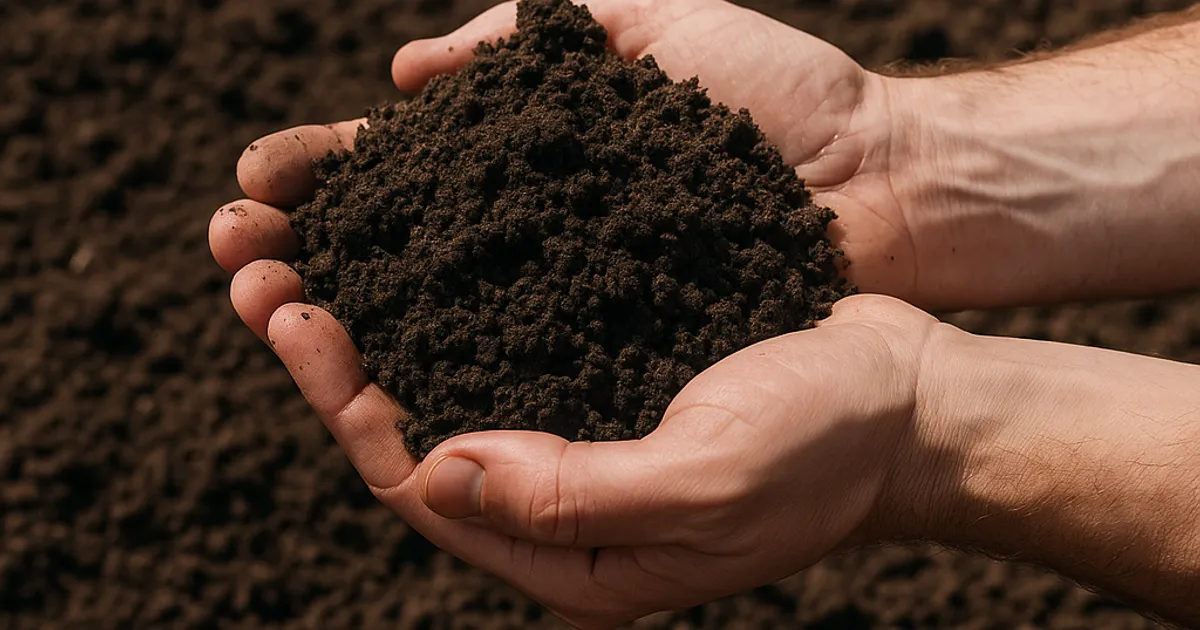
Topsoil is the uppermost layer of soil, typically occupying the first 2 to 12 inches of the earth's surface, though the definition varies by discipline. In agricultural science, it's often defined as the A-horizon — the layer richest in organic matter, microorganisms, and nutrients. In construction and landscaping, the term is used more loosely, sometimes referring to any screened, usable surface soil regardless of its organic content or biological activity.
According to the USDA Natural Resources Conservation Service (NRCS), healthy topsoil contains approximately 45% minerals, 25% water, 25% air, and 5% organic matter. That 5% organic matter component — composed of decomposed plant material, fungi, bacteria, earthworms, and other microorganisms — drives the vast majority of topsoil's productive capacity. Remove or degrade that fraction, and you're left with something that looks like topsoil but performs far worse.
The U.S. loses approximately 1.7 billion tons of topsoil to erosion every year, according to the USDA. Forming just one inch of topsoil naturally takes anywhere from 500 to 1,000 years, depending on climate and parent material. This makes topsoil a non-renewable resource on any human timescale — a fact that has profound implications for how we treat it during land development.
The Difference Between Topsoil, Subsoil, and Fill Dirt
One of the most common sources of confusion in the earthwork industry is the blurring of lines between topsoil, subsoil, and fill dirt.
- Topsoil is nutrient-rich, biologically active, and darker in color due to organic matter. It is the material you want for growing plants, restoring landscapes, or finishing grades where vegetation is required.
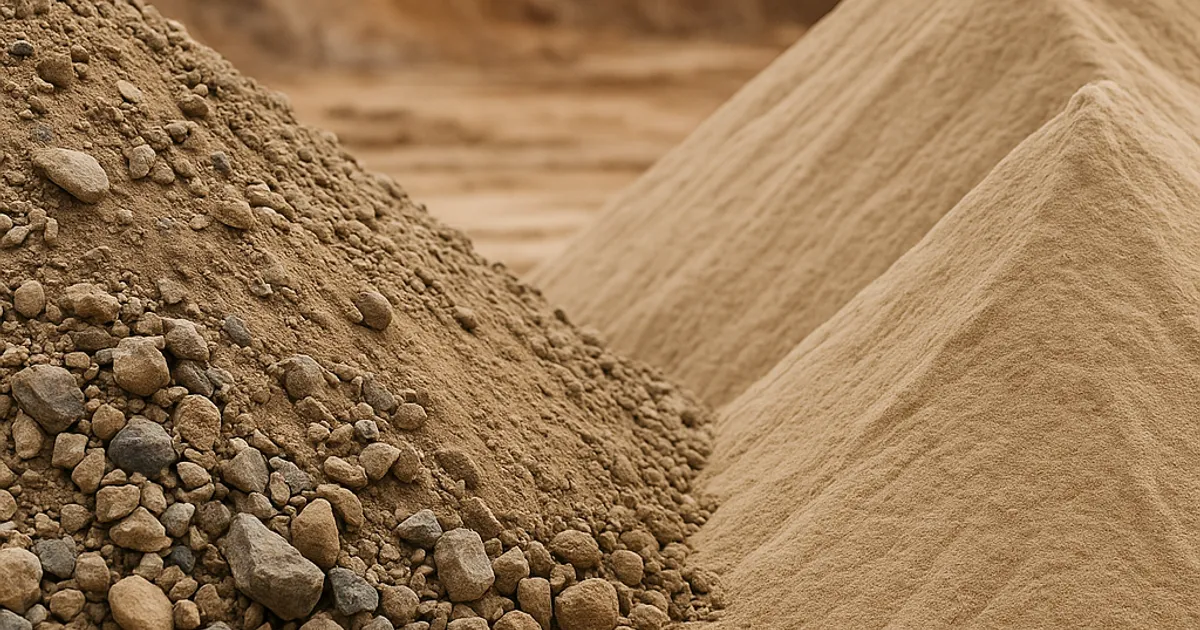
- Subsoil sits beneath the topsoil layer. It's denser, lower in organic matter, higher in clay or mineral content, and often lighter in color. It has limited agricultural value but can be used as structural fill.
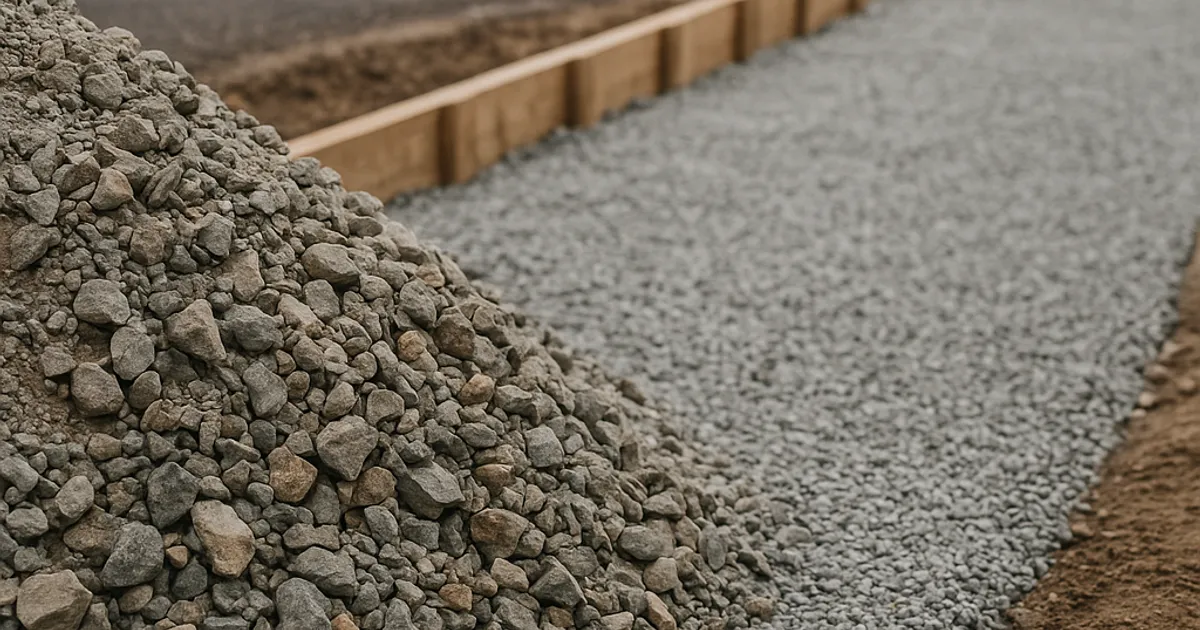
- Fill dirt is excavated soil — often a mix of subsoil, clay, rock fragments, and debris — used to raise grade, fill voids, or create structural embankments. It should not be confused with topsoil and is generally unsuitable for growing anything without amendment.
Understanding these distinctions is critical when writing project specifications, bidding earthwork jobs, or sourcing material from third parties. Buying "dirt" when you need topsoil — or specifying topsoil when fill would suffice — is a costly mistake that experienced contractors see regularly.
The Geology of Topsoil: Why Where It Comes From Matters
Not all topsoil is created equal, and its quality is deeply tied to the geological and ecological history of the region where it formed. A cubic yard of topsoil from the Mississippi River basin is a fundamentally different product than a cubic yard from the rocky soils of New England or the clay-heavy Piedmont of the Southeast.
Regional Soil Variations Across the United States
Pacific Northwest (Seattle area): Soils tend to be moderately acidic with good organic matter content, influenced by heavy precipitation and conifer forest litter. The volcanic history of the region contributes to well-drained, mineral-rich profiles. Contractors managing dirt exchange in Seattle frequently encounter screened topsoil with high organic content that performs well for landscaping but may need pH adjustment for certain crops.
Mountain West (Denver/Boulder area): Rocky Mountain soils are often shallow over bedrock, alkaline, and lower in organic matter due to the arid climate. Urban development around dirt exchange in Denver and dirt exchange in Boulder frequently surfaces clay-heavy subsoil that's been stockpiled and mislabeled as topsoil. Always request a soil test when sourcing in these regions.
California Coastal (Los Angeles, San Diego, San Francisco): Soils range from sandy loams near the coast to heavy adobe clays inland. Mediterranean climates mean lower organic matter than wetter regions. Projects in dirt exchange in Los Angeles or dirt exchange in San Francisco often deal with expansive clay soils that require careful management.
New England (Boston area): Glacially deposited soils are common, often stony and variable in texture. The dirt exchange in Boston market frequently sees topsoil mixed with gravel and till that must be screened before use in finish landscaping.
USDA Soil Taxonomy and What It Means for Contractors
The USDA classifies soils into 12 orders based on their formation processes and physical properties. For most construction and landscaping applications, the relevant orders are:
- Mollisols: Deep, dark, fertile soils common in the Midwest. The gold standard for agricultural topsoil.
- Alfisols: Moderately fertile forest soils common in the eastern U.S. — good for landscaping but less productive than Mollisols.
- Ultisols: Highly weathered, often acidic soils in the southeastern U.S. — require significant amendment for productive use.
- Entisols and Inceptisols: Young, underdeveloped soils common in disturbed or recently deposited landscapes — often what you get when you disturb a construction site and try to reuse the surface material.
Knowing the soil order of your project area gives you a baseline expectation for the quality of any locally sourced topsoil and helps you anticipate amendment needs before the first truckload arrives.
Topsoil Quality Standards and Testing: What the Specs Actually Require
One of the most pressing challenges in the topsoil industry is the lack of a single national quality standard. Unlike concrete or steel, topsoil doesn't have an ASTM designation that universally governs its composition, though several industry organizations and state DOTs have developed their own specifications.
ASTM and Industry Standards
The closest thing to a national topsoil standard is ASTM D5268 – Standard Specification for Topsoil Used for Landscaping Purposes. This standard defines topsoil as soil that:
- Contains a minimum of 2% organic matter (by weight)
- Has a pH range of 5.5 to 7.5
- Has a minimum of 20% soil fines passing the No. 200 sieve
- Is free of toxic materials, debris, and invasive plant material
- Has a minimum of 40% passing the 3/8-inch sieve
Many state DOTs and municipal agencies build on ASTM D5268 with additional requirements. For example, the Massachusetts DOT Standard Specifications require a minimum of 3% organic matter and stipulate that topsoil must pass a 1-inch screen. California's Caltrans Standard Specifications require pH testing and may specify amendment ratios for disturbed areas.
Essential Soil Tests for Topsoil Evaluation
Before buying or accepting topsoil — whether it's from a supplier, a neighboring site, or your own stockpile — these tests should be standard practice:
| Test | What It Measures | Recommended Range |
|---|---|---|
| pH | Soil acidity/alkalinity | 6.0–7.0 (most plants) |
| Organic Matter (%) | Biological activity, fertility | 3–8% (ideal for landscaping) |
| Texture (Sand/Silt/Clay %) | Drainage, workability | Loam: ~40% sand, 40% silt, 20% clay |
| Cation Exchange Capacity (CEC) | Nutrient-holding capacity | 10–25 meq/100g |
| Macronutrients (N, P, K) | Plant fertility | Varies by crop/use |
| Heavy Metals (Pb, Cd, As) | Contamination screening | Below EPA regional screening levels |
| Bulk Density | Compaction level | <1.4 g/cm³ for plant root growth |
| Weed Seed Viability | Invasive species risk | Zero tolerance for noxious weeds |
Cost for a comprehensive soil test panel typically runs $50 to $150 per sample through university extension labs or private labs like A&L Great Lakes or Waypoint Analytical. For large projects, composite sampling (multiple cores from a stockpile mixed into a single sample) is standard practice.
Contamination and Environmental Compliance
Topsoil sourced from industrial sites, gas stations, brownfields, or unknown origins must be screened for contamination under EPA guidelines. The EPA's Regional Screening Levels provide lookup tables for acceptable concentrations of hundreds of contaminants in residential and industrial soil. Exceeding these thresholds can trigger remediation requirements, disposal obligations, and significant liability.
State environmental agencies typically require a Phase I Environmental Site Assessment — and often a Phase II with soil sampling — before topsoil from a potentially contaminated site can be redistributed. Contractors who unknowingly spread contaminated topsoil on a client's property face serious legal exposure.
Types of Topsoil: Screened, Blended, Organic, and More
The topsoil market offers a confusing array of product types, and knowing which one is appropriate for your application can save significant time and money.
Screened Topsoil
Screened topsoil has been passed through a mechanical screen — typically 3/4 inch or 1/2 inch — to remove rocks, roots, debris, and clods. It's the most common commercial product and is appropriate for general landscaping, lawn establishment, and topdressing. It does not necessarily indicate high organic matter content; it simply means the material has been processed for uniformity.
Blended or Engineered Topsoil
Blended topsoil combines screened soil with amendments — typically compost, sand, aged bark fines, or perlite — to achieve a specified texture or fertility profile. Common blends include:
- 50/50 Topsoil/Compost blend: Excellent for vegetable gardens and planting beds, with high organic matter and good drainage.
- 60/40 Sand/Topsoil blend: Used for athletic fields, golf course fairways, and high-traffic turf areas where drainage is critical.
- Structural soil (e.g., CU-Structural Soil™): A patented blend of crushed stone and clay-loam topsoil developed at Cornell University for use under pavement while supporting tree root growth. Required by many urban streetscape specifications.
Organic or Premium Topsoil
Some suppliers offer "organic" or "premium" topsoil products with certified organic matter content exceeding 5–8%, often produced by mixing compost-heavy blends. These command a price premium — often 2–3x the cost of screened topsoil — but deliver faster plant establishment and reduced amendment requirements.
Sandy Loam Topsoil
Sandy loam is prized for its workability, drainage characteristics, and root penetration. It's the preferred texture for most turfgrass installations and many horticultural applications. In regions with heavy clay soil, importing sandy loam topsoil can dramatically improve site conditions.
Topsoil Costs: What You Should Expect to Pay in 2024
Topsoil pricing varies widely based on region, quality, quantity, and delivery logistics. Understanding the cost structure helps contractors bid accurately and buyers avoid being overcharged.
National Average Price Ranges
| Product Type | Bulk Price (per cubic yard) | Delivery Cost (per load) |
|---|---|---|
| Screened Topsoil | $15–$50 | $150–$400 |
| Premium/Blended Topsoil | $40–$80 | $150–$400 |
| Bagged Topsoil (40 lb bag) | $3–$8/bag ($80–$200/cy equivalent) | N/A |
| Organic Topsoil Mix | $60–$120 | $150–$400 |
| Sandy Loam Topsoil | $20–$55 | $150–$400 |
Note: Prices as of 2024. Regional variation can be significant — West Coast and Northeast markets typically run 20–40% higher than Midwest or Southeast.
Factors That Drive Topsoil Pricing
Fuel costs: Diesel prices directly impact hauling costs. Every additional mile of haul distance increases cost — a key reason why matching local supply with local demand is so valuable. Platforms like DirtMatch help contractors find nearby topsoil sources, significantly reducing haul distances and transportation costs.
Screening and processing: Screened topsoil costs more than run-of-bank soil because of the equipment time involved. Multi-pass screening (double-screened) adds additional cost but produces a finer, more uniform product.
Demand seasonality: Spring is peak season for topsoil demand, driven by landscaping and construction activity. Prices often spike 10–25% in March through May. Planning procurement in fall or winter can yield meaningful savings.
Volume discounts: Most suppliers offer tiered pricing. Orders over 10 yards typically see a 10–20% discount; orders over 100 yards may see 25–35% below retail pricing.
Contamination risk premium: Topsoil with documentation (soil test, chain of custody) commands a premium over undocumented material — and rightly so. Budget $50–$100 per load for testing and certification if you're sourcing from unknown origins.
Calculating How Much Topsoil You Need
The standard formula for topsoil volume:
Cubic Yards = (Length ft × Width ft × Depth in) ÷ 324
For example, a 5,000 square foot lawn area requiring 4 inches of topsoil: (5,000 × 4) ÷ 324 = 61.7 cubic yards
Add 10–15% for compaction and settling. At $35/yard delivered, that's roughly $2,370 in material costs for this example.
Topsoil in Construction: Stripping, Stockpiling, and Reuse Best Practices
In large construction projects, topsoil management isn't just an environmental nicety — it's often a regulatory requirement and a cost-saving opportunity. Properly stripped, stockpiled, and redistributed topsoil eliminates the need to purchase imported material for site restoration, saving tens of thousands of dollars on major projects.
Stripping and Stockpiling Requirements
Most state environmental regulations and local grading ordinances require that topsoil be stripped and stockpiled separately before site grading begins. Typical requirements include:
- Strip to a minimum depth of 4–6 inches (or to the depth of the A-horizon, whichever is greater)
- Stockpile away from drainage channels and erosion-prone areas
- Install erosion controls (silt fence, compost socks) around stockpiles
- Limit stockpile height to 6–8 feet to prevent compaction at the base
- Seed or cover stockpiles with erosion control blanket if undisturbed for more than 14 days (per most NPDES Construction General Permit requirements)
The EPA's National Pollutant Discharge Elimination System (NPDES) Construction General Permit governs stormwater management on construction sites disturbing one or more acres, with specific requirements for topsoil management and erosion control.
Topsoil Reuse Planning
A topsoil reuse plan should be part of every grading plan on projects larger than one acre. Key steps include:
- Quantify available topsoil: Calculate strippable volume using topographic surveys and boring data.
- Test representative samples: Establish baseline quality before stripping begins.
- Designate staging areas: Plan stockpile locations that minimize double-handling.
- Track the chain of custody: Document where topsoil comes from and where it goes, especially on regulated sites.
- Redistribute before final landscaping: Replace topsoil to disturbed areas before seeding or sodding.
On large residential developments, contractors who manage topsoil reuse well often find themselves with a surplus that can be sold to neighboring projects. This is where how DirtMatch works becomes particularly valuable — connecting contractors who have excess screened topsoil with nearby buyers, turning a disposal problem into a revenue opportunity.
Compaction: The Silent Killer of Topsoil Quality
One of the most damaging things that happens to topsoil during construction is compaction. When heavy equipment traffics over stockpiled or redistributed topsoil, bulk density can increase dramatically — from a healthy 1.0–1.2 g/cm³ to over 1.6 g/cm³ — effectively destroying its porosity, aeration, and root-penetration capacity.
Research from Penn State Extension shows that compacted soils can take 3–10 years to recover their biological activity even after the mechanical cause is removed. Best practices to prevent compaction include:
- Designate equipment travel lanes and enforce them
- Avoid working topsoil when it's saturated (above field capacity)
- Use tracked equipment rather than wheeled machines in sensitive areas
- Deep-till redistributed topsoil with a subsoiler or chisel plow before finish grading
- Incorporate compost to rebuild soil structure after compaction events
Find or Post Dirt, Rock & Aggregate
Join thousands of contractors using DirtMatch to buy, sell, and exchange earthwork materials.
Try DirtMatch FreeTopsoil for Landscaping: Application Guidelines and Best Practices
For landscape contractors, topsoil is a primary input cost and a major quality determinant. Understanding application rates, amendment strategies, and timing can make the difference between a thriving landscape and a call-back nightmare.
Application Depth by Use
| Application | Recommended Topsoil Depth |
|---|---|
| New lawn establishment | 4–6 inches |
| Lawn repair / overseeding | 1–2 inches topdressing |
| Planting beds (annuals/perennials) | 6–8 inches |
| Trees and shrubs | 12–18 inches (backfill blended with native soil) |
| Vegetable gardens | 8–12 inches |
| Rooftop/green roof applications | Engineered growing medium, 6–18 inches |
| Slope stabilization and erosion control | 4–6 inches, immediately seeded |
Topsoil Amendment Strategies
Raw topsoil rarely arrives at a site in perfect condition for its intended use. Standard amendment practices include:
For heavy clay-dominant topsoil:
- Incorporate 3–4 inches of coarse compost and till to 8-inch depth
- Add sand only in quantities that shift texture meaningfully (minimum 30% by volume); adding less actually worsens clay structure
- Apply gypsum (calcium sulfate) at 50–100 lbs/1,000 sq ft to improve clay flocculation
For sandy topsoil with low CEC:
- Incorporate compost at 3–4 inches per 8 inches of soil depth
- Add biochar at 5–10% by volume to improve nutrient retention
- Mulch heavily after planting to reduce moisture loss
For acidic topsoil (pH below 5.5):
- Apply agricultural lime at rates determined by soil test
- Allow 3–6 months for lime to neutralize pH before planting acid-sensitive species
- Consider pelletized lime for faster incorporation
For alkaline topsoil (pH above 7.5):
- Apply elemental sulfur at 5–10 lbs/1,000 sq ft
- Use acidifying fertilizers (ammonium sulfate vs. calcium nitrate)
- Incorporate peat moss or aged pine bark into planting areas
Topsoil for Agricultural Use: Soil Health and Productivity
In agricultural contexts, topsoil management takes on even greater stakes. Soil health directly drives crop yields, input efficiency, and long-term farm profitability. The USDA's Soil Health Division has developed a comprehensive framework for assessing and improving agricultural topsoil quality.
Key Indicators of Agricultural Topsoil Quality
- Organic matter content: Every 1% increase in soil organic matter enables soil to hold approximately 20,000 additional gallons of water per acre — a massive benefit in drought years.
- Microbial biomass carbon: Higher microbial activity correlates with faster nutrient cycling and better disease suppression.
- Aggregate stability: Well-structured soils resist erosion and compaction, maintain porosity, and support root growth.
- Active carbon: A quick-test indicator of biological activity, measurable with the Haney Test or LECO carbon analysis.
Topsoil Import for Agricultural Restoration
On severely degraded farmland — where erosion has exposed subsoil or where years of tillage have depleted organic matter — importing quality topsoil combined with cover cropping and reduced tillage can accelerate restoration. Research from the Rodale Institute has demonstrated that transitioning to regenerative practices including topsoil amendments can restore 1–3% organic matter over a 10-year period, adding significant productivity and carbon sequestration value.
Cover Crops as Topsoil Builders
For farmers managing topsoil loss, cover crops are one of the most cost-effective tools available. Legume covers like crimson clover and hairy vetch fix nitrogen, while brassicas like tillage radish break up compaction. Cereal rye provides winter ground cover and adds organic matter as it decomposes. A well-designed cover crop rotation can add 0.1–0.3% organic matter annually — meaningful progress toward restoring degraded topsoil.
Environmental and Regulatory Considerations
Topsoil is increasingly regulated at state and local levels, particularly as environmental agencies grapple with contamination from legacy land uses, invasive species spread through soil movement, and stormwater impacts from exposed soil.
Soil Movement and Invasive Species
Moving topsoil across long distances carries the risk of spreading invasive plant species, soil pathogens, and in some states, regulated pests. Several states require phytosanitary certification or restrict the movement of soil from counties with known infestations (e.g., emerald ash borer, jumping worm populations in the Northeast). Contractors should verify state Department of Agriculture requirements before importing topsoil from out-of-state sources.
Noxious Weed Seeds in Topsoil
Most specifications require that topsoil be free of viable noxious weed seeds — but enforcement is difficult without expensive germination testing. Best practice is to source from suppliers who can demonstrate seed-free stockpiling practices (tarped stockpiles, clean equipment) and to inspect material for obvious weed contamination on delivery.
Stormwater and NPDES Compliance
Exposed topsoil stockpiles and graded areas are major sources of sediment pollution under NPDES permit programs. Violations can result in fines starting at $10,000 per day per violation under Clean Water Act Section 309. Maintaining vegetative cover on stockpiles, installing sediment controls, and following approved erosion control plans are non-negotiable on regulated sites.
Brownfield and Contaminated Soil Regulations
Topsoil from sites with historical industrial or commercial use must be assessed for contamination before reuse. EPA's Brownfields Program provides funding and technical assistance for site assessment and cleanup. Reusing contaminated soil as topsoil without remediation is a federal violation and can trigger CERCLA (Superfund) liability.
Buying and Selling Topsoil: How the Market Works
The topsoil market is surprisingly fragmented and inefficient. Buyers struggle to find quality material at reasonable prices, while contractors with excess topsoil pay for disposal or let valuable material sit in stockpiles for months. This inefficiency creates real costs for both sides of the market.
Finding Quality Topsoil Suppliers
When sourcing topsoil, evaluate suppliers on:
- Documentation: Can they provide soil test results for current stockpiles?
- Source history: Can they tell you where the material was excavated from?
- Processing standards: Is material screened? What screen size?
- Delivery equipment: Are trucks clean and do they prevent cross-contamination?
- References: Can they provide contact information for recent buyers?
- Certifications: Are they members of the Lawn and Landscape or Associated Landscape Contractors of America trade groups?
Selling or Moving Excess Topsoil
Contractors who strip topsoil as part of site preparation often end up with more material than they can reuse on-site. Options for moving this material include:
- Local landscapers and nurseries: Often willing to pay a modest price for screened topsoil
- Municipal programs: Many cities accept clean topsoil for park restoration and public landscaping projects
- Digital matching platforms: The most efficient modern option
For contractors managing large earthwork projects, get started with DirtMatch to list available topsoil and connect with buyers in your area. The platform allows you to specify material type, quantity, test results, and availability — turning surplus topsoil from a cost center into a revenue stream without the hassle of cold-calling buyers.
Pricing Your Topsoil for Sale
When selling excess topsoil, consider these factors:
- Quality premium: Documented, tested topsoil commands 30–50% higher prices than undocumented material
- Processing level: Screened material is worth significantly more than run-of-bank
- Location advantage: Material well-located to urban demand centers commands a premium over rural sources
- Timing: Spring demand peaks allow higher pricing; late fall may require discounting to move material before winter
Topsoil Delivery, Logistics, and Handling
Even the highest-quality topsoil can be degraded by poor handling and delivery practices. Understanding logistics helps contractors protect their investment from quarry to project site.
Standard Delivery Methods
Tandem axle dump trucks are the most common delivery vehicle for topsoil, carrying 10–14 cubic yards per load. They're maneuverable enough for most residential and commercial sites.
Semi-trailer end dumps carry 20–26 cubic yards per load and are more economical for large projects but require more access and turning radius.
Slinger trucks (conveyor-equipped) can place topsoil in hard-to-reach areas and provide more precise placement — ideal for finished landscaping where machine access is limited. They typically add $150–$300 per load compared to standard dump delivery.
Super sacks and bulk bags are used for small quantities or precision placement in urban settings, rooftop gardens, or areas where vehicles can't access.
Handling Best Practices on Delivery
- Inspect every load on delivery — compare visual characteristics to previous loads and to your specification
- Request the driver's ticket, which should note load weight or volume
- Check for unusual odors, discoloration, or debris that might indicate contamination or poor quality
- Avoid receiving topsoil during rain events if possible — wet material is heavier to handle and more prone to compaction
- Have a plan for immediate use or proper stockpiling before delivery is scheduled
Moisture and Workability
Topsoil is most workable at or slightly below field capacity — moist but not saturated. At this moisture content, it can be raked, tilled, and graded without clodding or smearing. Working saturated topsoil destroys its structure; working bone-dry topsoil creates dust and poor seed bed contact. If material is too wet on delivery, allow it to dry 24–48 hours before working. If too dry, lightly irrigate before tilling.
Topsoil and Sustainability: The Future of Soil Management
As sustainability requirements become more central to construction and development, topsoil management is emerging as a key environmental performance indicator. LEED certification (through the U.S. Green Building Council), SITES certification for landscape sustainability, and state green infrastructure programs increasingly reward thoughtful topsoil management.
Topsoil and Carbon Sequestration
Soil is the world's second-largest carbon sink after the oceans. Organic matter in topsoil contains roughly 58% carbon by weight. Practices that increase soil organic matter — compost application, cover cropping, reduced tillage — sequester carbon and contribute to climate goals. The growing voluntary carbon market is beginning to create financial incentives for agricultural and landscape practices that build topsoil organic matter, with carbon credits trading at $15–$50 per metric ton of CO₂ equivalent.
Green Infrastructure and Engineered Soils
Urban stormwater programs across the country are increasingly relying on engineered soils — specially formulated topsoil mixes used in bioretention cells, green roofs, tree pits, and infiltration planters. These systems require topsoil blends with specific infiltration rates (typically 1–12 inches per hour), organic matter content, and absence of fine clays that would cause clogging. The Water Environment Federation has published extensive guidance on media specifications for green stormwater infrastructure.
Circular Economy Approaches to Topsoil
The most forward-thinking earthwork contractors and developers are approaching topsoil as a circular resource — keeping it on-site through careful management, building its quality over time through amendment, and trading surplus material regionally rather than disposing of it. This approach reduces costs, environmental impact, and dependence on increasingly scarce and expensive virgin topsoil supplies.
Connecting with nearby projects that need topsoil is now easier than ever. Through DirtMatch, contractors can post available topsoil or search for needed material within a specified radius, making the circular economy approach practical and profitable rather than aspirational.
Summary and Actionable Takeaways
Topsoil is far more than "dirt." It's a complex, biologically active, regionally variable material that requires scientific understanding, proper specification, regulatory awareness, and intelligent logistics management. Here's a rapid-reference summary of the key principles from this guide:
For Buyers:
- Always request and verify soil test results before purchasing
- Know your specification requirements (ASTM D5268, state DOT, or custom)
- Calculate accurately — use the cubic yard formula and add 10–15% for settling
- Source locally to reduce hauling costs and contamination risk
- Time your purchases for off-peak season when possible
For Sellers and Contractors:
- Test and document your stockpiled topsoil — it commands a price premium
- Implement proper erosion controls on stockpiles to avoid NPDES violations
- Develop a topsoil reuse plan as part of every large grading project
- Use digital platforms to match excess material with buyers rather than paying for disposal
For All Earthwork Professionals:
- Understand the difference between topsoil, subsoil, and fill dirt — and communicate clearly with clients about which material is appropriate for each use
- Protect topsoil from compaction during construction — the damage can take decades to reverse
- Stay current on state and local regulations governing soil movement, contamination, and invasive species
- Consider sustainability metrics — LEED, SITES, carbon markets — as these increasingly drive project specifications and owner preferences
The topsoil market is inefficient, and that inefficiency creates real costs. Contractors who master topsoil sourcing, quality management, and material matching will have a measurable competitive advantage — delivering better results at lower cost while staying on the right side of increasingly complex environmental regulations.
Looking to source or sell topsoil for your next project? Explore the DirtMatch platform and discover how connecting local supply with local demand is transforming the earthwork materials market.