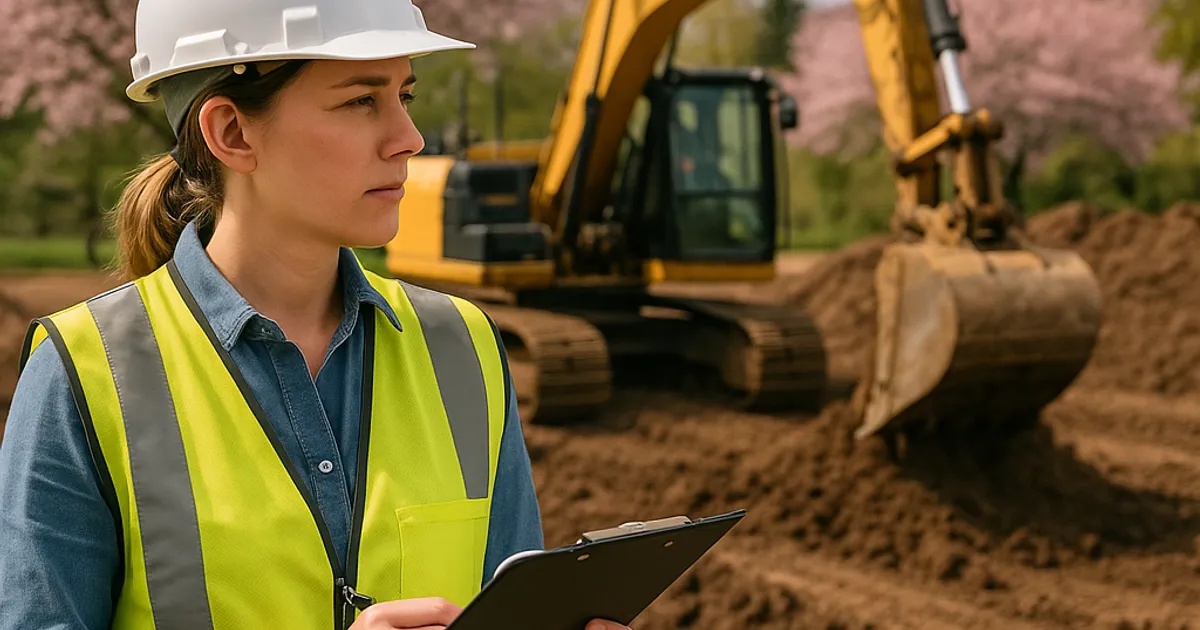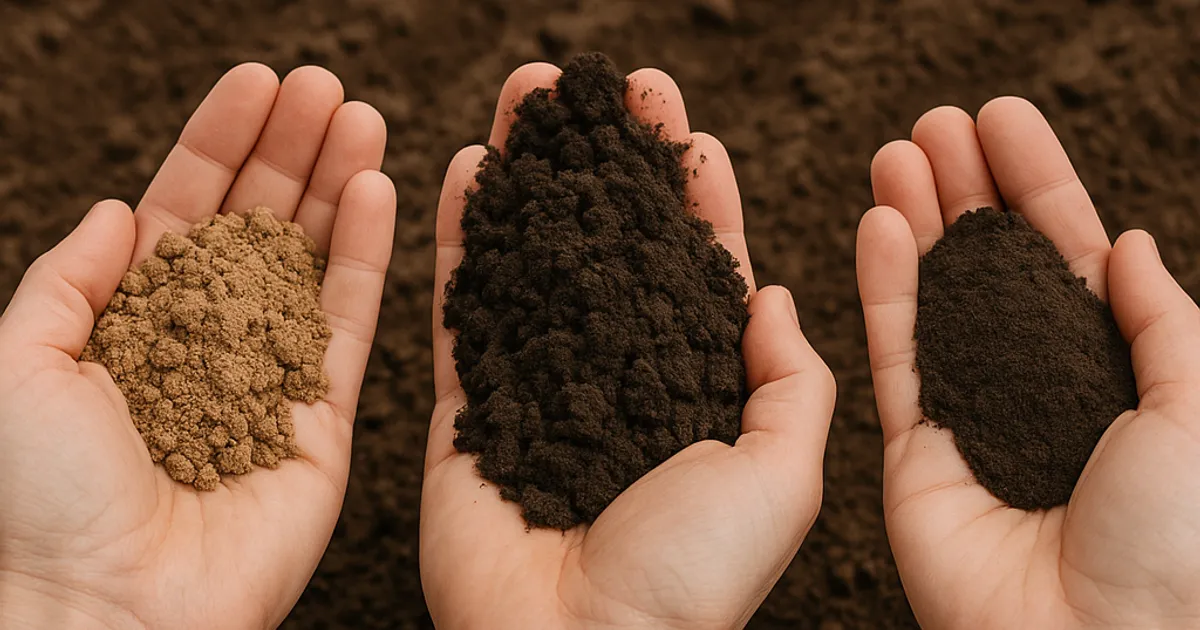
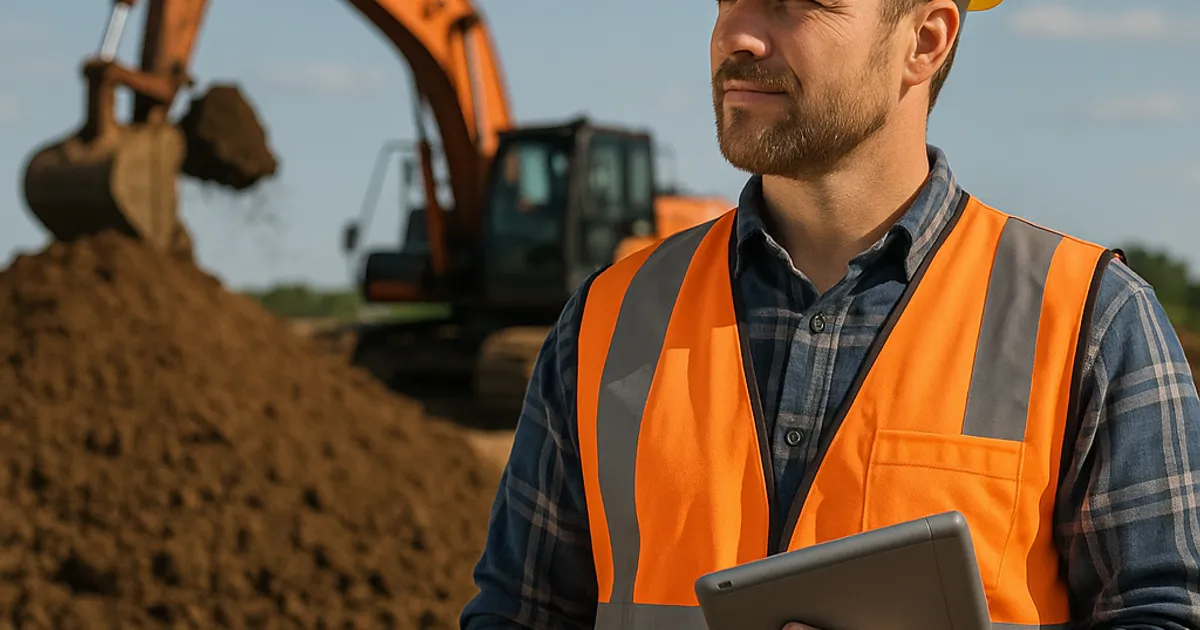
Every year, millions of cubic yards of perfectly usable soil get hauled to landfills or dumped at cost because contractors don't know what they have — or who wants it. Meanwhile, developers, landscapers, farmers, and municipalities are paying premium prices for the same material just a few miles away. That disconnect is costing the earthwork industry hundreds of millions of dollars in missed revenue annually.
The good news? Turning excavated soil into a genuine profit center is entirely achievable for contractors willing to invest a little time in understanding what they're digging up and how to move it efficiently. Whether you're excavating a residential basement in Denver, grading a commercial pad in Los Angeles, or clearing land for a subdivision in Boston, the soil coming off your jobsite has value to someone nearby.
This guide breaks down everything you need to know — from soil classification and quality testing to pricing strategy, regulatory compliance, and finding buyers — so you can stop treating dirt as a liability and start treating it as inventory.
Why Soil Sales Are a Game-Changer for Earthwork Contractors
Let's start with the business case. Traditional earthwork contracting often treats dirt removal as a pure cost center: excavate, load, haul, dump, pay tipping fees. On a large commercial project, disposal costs alone can run $15 to $40 per cubic yard when you factor in trucking distance and landfill or transfer station fees. A single 10,000-cubic-yard cut can generate $150,000 to $400,000 in disposal costs — money that evaporates from your margin.
Flip that equation and even modest soil sales revenue starts to look transformative. Clean fill dirt typically sells for $5 to $15 per cubic yard delivered, or $2 to $8 per yard for contractor pickup. Topsoil commands $15 to $50 per yard depending on quality and organic content. Premium screened topsoil in high-demand urban markets can fetch $60 to $80 per yard or more. If you can eliminate $30,000 in disposal fees AND generate $20,000 in soil sales revenue from the same excavation, you've swung your project economics by $50,000 or more.
According to the US Census Bureau's construction spending data, construction spending in the United States regularly exceeds $1.8 trillion annually, with site preparation and earthwork representing a substantial share of that total. The sheer volume of earthmoving happening across the country creates an enormous secondary market for surplus materials — a market that remains fragmented and inefficient, which is precisely where savvy contractors can gain an edge.
Beyond the direct revenue, soil sales offer several secondary benefits:
- Reduced project timelines: Selling material locally means faster haul cycles and fewer truck hours wasted on long disposal runs
- Lower equipment wear: Shorter hauling distances reduce fuel consumption and mechanical wear on your fleet
- Improved client relationships: When you can offset disposal costs for your clients, you become a more competitive bidder
- Environmental credibility: Reusing soil keeps material in the economy and out of landfills, which matters increasingly to municipal and institutional clients
The key is approaching soil sales systematically rather than opportunistically. Contractors who build soil sales into their project workflow from day one consistently outperform those who try to find buyers after the fact.
Understanding Soil Classification: Know What You Have Before You Sell It
Not all dirt is created equal, and buyers know the difference. Before you can price or market excavated soil effectively, you need to understand basic soil classification — both for quality purposes and because buyers will ask.
The USCS and AASHTO Classification Systems
The two most widely used soil classification systems in construction are the Unified Soil Classification System (USCS), standardized under ASTM International designation D2487, and the AASHTO classification system used primarily for highway construction. Both systems categorize soils based on grain size distribution and plasticity characteristics.
For practical purposes, contractors need to understand the broad categories buyers are shopping for:
Topsoil (O and A horizons): The organic-rich upper layer, typically the top 4 to 12 inches of undisturbed land. High in organic matter, biologically active, and essential for vegetation establishment. This is your highest-value material.
Sandy Loam and Loam: Well-balanced soils with good drainage and workability. Highly sought by landscapers, homeowners, and agricultural buyers. Typically classified as SM (silty sand) or SC (clayey sand) under USCS.
Clean Fill / General Fill: Subsoil material free of organics, debris, and contaminants. Used for grade raising, structural fill, and embankment construction. Buyers include developers, road builders, and site contractors. This is the highest-volume category.
Clay: High plasticity, poor drainage, and significant shrink-swell characteristics. Has limited applications but can be valuable for pond construction, landfill liner work, and earthen dam building.
Sandy or Gravelly Soils: Well-draining material with good compaction characteristics. Valuable for drainage applications, pipe bedding, and road base when processed.
Rock and Aggregate: Technically not soil, but often encountered in excavation. Crushed or screened rock can command premium prices as aggregate, base course, or drainage material.
Field Assessment vs. Laboratory Testing
Experienced operators can often identify soil types in the field using simple tests — the ribbon test for clay content, the jar test for particle size distribution, or basic observation of color and structure. However, buyers with serious volume needs and institutional clients will typically require laboratory testing results.
At minimum, plan to provide:
- Grain size analysis (ASTM D422 or D6913): Confirms particle size distribution
- Atterberg Limits (ASTM D4318): Measures plasticity of fine-grained soils
- Organic content (ASTM D2974): Critical for topsoil and fill material quality
- Compaction characteristics (ASTM D698 / D1557): Proctor compaction testing for fill material
Testing through a certified geotechnical laboratory typically runs $300 to $800 for a basic panel, which is money well spent if you're moving significant volume. Many contractors negotiate testing costs into their earthwork contracts so clients understand the value-add.
Environmental Compliance and Soil Contamination: The Risks You Cannot Ignore
This section is non-negotiable. Selling contaminated soil — even unknowingly — can expose contractors to enormous legal and financial liability. The EPA's Superfund (CERCLA) program makes it clear that liability for contaminated soil disposal can attach to anyone in the chain of custody, including contractors who excavated, transported, or sold the material. Ignorance is not a legal defense.
Phase I and Phase II Environmental Site Assessments
Before selling soil from any site with an uncertain history, understand what you're dealing with. A Phase I Environmental Site Assessment (ESA), conducted by a qualified environmental professional, reviews historical records to identify potential contamination sources — prior industrial use, underground storage tanks, chemical spills, and similar red flags. Phase I assessments typically cost $1,500 to $3,500 and take one to three weeks.
If Phase I identifies recognized environmental conditions (RECs), a Phase II ESA involving actual soil and groundwater sampling will be required. Phase II costs vary widely but commonly run $5,000 to $25,000 or more depending on the number of samples and analytical requirements.
For projects on previously undeveloped greenfield sites with straightforward agricultural or residential history, Phase I review may be minimal. But urban infill, brownfield redevelopment, or sites near industrial areas demand rigorous due diligence.
What Contaminants to Watch For
Common soil contaminants that make excavated material unsaleable and potentially hazardous include:
- Petroleum hydrocarbons: From underground storage tanks, spills, or historical industrial use
- Heavy metals: Lead (especially common in pre-1978 residential areas due to lead paint and leaded gasoline), arsenic, chromium, cadmium
- Volatile organic compounds (VOCs): From dry cleaning operations, manufacturing facilities, and chemical storage
- Polycyclic aromatic hydrocarbons (PAHs): Associated with coal tar, asphalt, and combustion byproducts
- Pesticides and herbicides: Common on agricultural land and former orchid/orchard properties
Always obtain the project's geotechnical report and any available environmental records before committing to soil sales from a site. Build environmental contingency clauses into your sales agreements.
Permitting and Stormwater Compliance
Beyond contamination concerns, soil movement on construction sites triggers stormwater management requirements. The EPA's NPDES permit program requires construction sites disturbing one or more acres to obtain coverage under a Construction General Permit and implement a Stormwater Pollution Prevention Plan (SWPPP). While this doesn't directly affect soil sales, your stockpiling and staging practices must comply with permit conditions.
How to Price Excavated Soil: Building a Pricing Framework
Pricing soil is part science, part market research. The right number depends on material quality, local supply and demand, delivery logistics, and competitive dynamics in your specific market. Here's a framework to get you started.
Regional Market Benchmarks
Soil prices vary significantly by region. Urban markets with dense construction activity and limited open land — think San Francisco, Seattle, or Boston — tend to command premium prices because disposal options are scarce and buyers are plentiful. Rural markets may have lower price points but can still generate meaningful revenue given lower hauling costs.
General pricing benchmarks (per cubic yard, as of recent market conditions):
| Material Type | Contractor Pickup | Delivered (Local) | Delivered (Regional) |
|---|---|---|---|
| Clean Fill Dirt | $2 – $6 | $8 – $18 | $15 – $30 |
| Sandy Loam | $4 – $10 | $12 – $25 | $20 – $40 |
| Screened Topsoil | $10 – $20 | $20 – $45 | $35 – $65 |
| Premium Topsoil | $20 – $35 | $40 – $80 | $60 – $100 |
| Clay (pond liner) | $3 – $8 | $10 – $20 | $15 – $30 |
| Crushed Rock / Base | $15 – $30 | $25 – $55 | $40 – $75 |
Note: Prices are illustrative benchmarks. Always verify current rates in your specific market.
Factors That Move the Needle on Price
Quality premium: Lab-tested, certified material commands 20 to 40 percent more than untested material of equivalent appearance. Buyers paying for topsoil on landscaping projects want assurance, not guesswork.
Volume discounts: Standard practice is to reduce per-yard pricing for large-volume buyers. A landscaping supplier taking 500 yards might pay 15 to 20 percent less per yard than a homeowner buying 20 yards, but the logistics savings justify the discount.
Delivery logistics: Delivered pricing should account for your actual trucking cost (typically $3 to $8 per yard per 10 miles for a tri-axle dump truck carrying 12 to 14 yards), loading time, and a reasonable margin. Never include delivery in your base price without a clear distance threshold.
Seasonal demand: Topsoil and loam demand peaks in spring (April through June) and fall (September through October) due to landscaping season. Fill dirt demand is more year-round but follows regional construction cycles. Price accordingly and build inventory when you can.
Material preparation: Screened material (removal of rocks, debris, and oversized clods) can double your price per yard over unscreened material. Investing in a portable trommel screen or renting screening capacity during peak production periods is often a smart capital allocation.
Finding Buyers: Who Wants Your Dirt and How to Reach Them
The single biggest barrier to soil sales for most contractors isn't quality or logistics — it's finding buyers efficiently. The traditional approach (word of mouth, posting on Craigslist, calling around) is slow, unreliable, and leaves money on the table. Let's look at the full buyer landscape and how to tap it systematically.
The Buyer Ecosystem
Landscaping companies and landscape contractors: Among the most consistent buyers of topsoil, loam, and sandy loam. They need material in moderate volumes (20 to 200 yards per project) on relatively short notice. Build relationships with commercial landscapers in your area — they're often buying the same materials repeatedly.
Residential homeowners: High price-per-yard buyers for small quantities of topsoil and loam. Demand for garden beds, lawn renovation, and raised planters. Not efficient for large volumes but worth capturing through a simple website or social presence.
Nurseries and garden centers: Some purchase bulk material for resale. Quality requirements are high, but so is consistency of demand.
Developers and general contractors: The largest-volume buyers of fill dirt. When they're grading a low spot, raising a pad elevation, or filling a pond, they may need thousands of cubic yards quickly. These relationships are high value but require competitive pricing and reliable delivery.
Road builders and DOT contractors: Require fill meeting specific compaction and gradation standards. May require certified test results and material source documentation. High volume, steady demand, but technical specifications are strict.
Agricultural operations: Farmers buying topsoil to rebuild eroded fields, level low spots, or improve growing areas. Less time-sensitive but loyal when relationships are established.
Golf courses and athletic field operators: Premium topsoil and sand buyers with exacting quality standards. Will pay top dollar for certified material meeting USGA specifications.
Municipalities and public agencies: Buy fill for park projects, road repair, erosion control, and public infrastructure. Procurement is often through formal bid processes, but relationships with purchasing departments help.
Using Technology to Find Buyers Faster
The most efficient contractors aren't relying solely on phone calls and flyers — they're using purpose-built platforms to match their material with buyers who are already looking. DirtMatch connects contractors who have surplus excavated material with developers, landscapers, and other buyers who need it, turning what was once a disposal problem into a streamlined transaction. Instead of spending hours on the phone trying to coordinate material movement, you post your available material and let qualified buyers find you.
This kind of marketplace approach is particularly powerful in active construction markets. If you're doing dirt exchange in Denver or managing excavation in the Pacific Northwest, the density of construction activity means there are almost always buyers within economical hauling distance — you just need the right platform to surface them.
Find or Post Dirt, Rock & Aggregate
Join thousands of contractors using DirtMatch to buy, sell, and exchange earthwork materials.
Try DirtMatch FreeLogistics and Operations: Moving Soil Efficiently
Even with great material and willing buyers, sloppy logistics will kill your margins. Soil sales require tight operational discipline, particularly around hauling, stockpiling, and documentation.
Stockpiling Best Practices
If your buyer isn't ready to receive material when you're ready to move it, you need a staging area. Key considerations:
- Surface stability: Stockpile on firm, stable ground away from drainage channels and property boundaries
- Stormwater management: Stockpiles are a common NPDES violation source. Silt fencing, rock check dams, or covers may be required depending on your permit conditions
- Separation by material type: Never mix topsoil with fill or contaminated material with clean material. Label your piles clearly and train your operators accordingly
- Height limitations: OSHA regulations under 29 CFR 1926 Subpart P apply to excavations adjacent to stockpiles. Keep spoil piles at least two feet from the edge of any open excavation
- Access control: Unsecured stockpiles invite unauthorized dumping, which can contaminate your clean material. Basic perimeter control and signage help
Trucking and Hauling Considerations
Whether you're using your own trucks or coordinating with owner-operators, trucking logistics are central to profitable soil sales. Key variables:
Truck capacity: Standard tri-axle dump trucks carry 12 to 14 cubic yards. Larger end dumps and live-bottom trailers can carry 18 to 24 yards. Know your regional weight limits — many states limit gross vehicle weight to 80,000 pounds on public roads, and wet soil is significantly heavier than dry.
CDL requirements: Drivers operating commercial vehicles over 26,001 pounds GVWR require a Commercial Driver's License. The FMCSA enforces federal hours-of-service rules and ELD requirements for commercial hauling operations. Non-compliance exposes you to significant fines and audit risk.
Load ticketing: Every load that leaves your site should have a written ticket documenting material type, origin address, destination, driver, date, and cubic yardage or tonnage. This documentation protects you legally and gives buyers confidence in what they're receiving.
Route planning: Factor in traffic patterns, bridge weight limits, and school zones when planning truck routes. A 20-minute routing detour multiplied by 50 loads is a real cost.
Screening and Processing
For contractors who want to maximize value per yard, investing in material processing can be transformative. Portable trommel screens (rental rates typically $800 to $2,500 per week) can convert rough excavated topsoil into premium screened product worth two to three times more per yard. Rock crushers can convert blasted stone or concrete rubble into sellable base material. The capital or rental cost pencils out quickly when you're processing significant volume.
Legal Agreements and Documentation: Protect Yourself on Every Sale
Selling soil without proper documentation is a risk no professional contractor should take. A well-drafted soil sale agreement protects you from liability for how the material is used, misrepresentation claims, and disputes over quantity or quality.
Essential Contract Elements
Every soil sale should be documented with at minimum:
- Material description: Classification, source location, available test data
- Quantity: How measured (cubic yards loose, cubic yards compacted, tons), method of measurement, and allowable variance
- Price and payment terms: Unit price, payment schedule, and late payment provisions
- Delivery terms: Who loads, who hauls, who is responsible for material in transit
- Environmental representations: Seller's representations about contamination status, including limitations of knowledge
- Warranty limitations: Clearly state what you are and are not warranting about the material
- Dispute resolution: Governing law, arbitration or mediation clause
For larger transactions, have a construction attorney review your standard form agreement. The cost of a one-time legal review ($300 to $600) is trivial compared to the exposure on a significant soil sale gone wrong.
Tracking and Record-Keeping
Maintain organized records for every soil transaction:
- Lab test results and dates
- Quantity tracking by load ticket
- Buyer name, address, and contact information
- Payment records
- Photographs of stockpile conditions at time of sale
If an environmental question ever arises about material from a site you worked on, these records may be the difference between a manageable situation and a CERCLA liability nightmare.
Building a Repeatable Soil Sales Business
The contractors who consistently profit from soil sales don't treat it as an occasional windfall — they build it into their standard operating model. Here's what that looks like in practice.
Integrate Soil Assessment into Your Bid Process
Don't wait until you're on-site to think about material value. During your initial site visit and bid preparation, assess the soil profile. Note the depth of topsoil, the character of the subsoil, any visible signs of contamination, and the proximity of potential buyers. Build your soil sales upside into your risk model, and consider offering clients a material credit in your bid if you can realistically sell the excavated material.
This approach differentiates you from competitors who treat excavation as a pure cost and can be a meaningful factor in winning bids, particularly on price-sensitive projects.
Develop Buyer Relationships Before You Need Them
A buyer database is a business asset. Start building it proactively:
- Introduce yourself to commercial landscapers in your market
- Attend local AGC chapter meetings and home builder association events where you'll meet developers
- Contact municipal public works departments to understand their fill needs
- Connect with golf course superintendents and athletic facility managers
The AGC of America and local affiliated chapters are excellent networking venues for meeting the developers and general contractors who become your highest-volume fill dirt buyers.
When you have a relationship established, a phone call is all it takes to move material. Without relationships, you're starting from scratch on every project.
Use Digital Platforms to Scale Your Reach
The soil marketplace has moved online, and contractors who embrace that shift gain a significant competitive advantage. Understanding how DirtMatch works can show you how quickly a well-matched platform can connect your surplus material with buyers who need exactly what you have — often within your own metro area. Instead of making calls and hoping for the right timing, you're reaching an active buyer pool that's already searching for material.
This is especially valuable in high-activity markets. Contractors doing dirt exchange in Los Angeles or dirt exchange in San Francisco are operating in some of the most active construction markets in the country, where the volume of earthmoving creates constant buyer demand — but also intense competition for buyers' attention. A platform that puts your material in front of the right buyers at the right time is a genuine operational advantage.
Track Your Metrics
Treat soil sales like a business line, not a hobby. Track:
- Revenue per project: Total soil sales revenue generated
- Revenue per cubic yard: Compare against benchmark prices to ensure you're not leaving money on the table
- Time to sell: How quickly are you moving material from excavation to buyer? Long lag times signal either buyer relationship gaps or pricing issues
- Disposal cost avoidance: Track what you would have paid to dispose of material you sold instead
- Net margin: Revenue minus loading, hauling, testing, and administrative costs
With consistent data, you'll identify your best material types, your best buyers, and your most profitable project types — intelligence that makes every future bid more accurate.
Regional Soil Market Considerations
Soil quality, buyer demand, and regulatory requirements vary significantly by geography. A few regional highlights:
Western Markets
The Pacific Coast and Mountain West present some of the most active soil markets in the country. Urban density in Seattle and San Francisco creates intense pressure on disposal capacity and correspondingly strong buyer demand for quality fill and topsoil. Meanwhile, growing suburban markets in Denver see constant residential and commercial development that generates both supply and demand for soil materials.
Contractors operating dirt exchange in Seattle or dirt exchange in Boulder should be aware that regional environmental regulations can be stricter than federal minimums, particularly around stormwater management and contamination screening.
Eastern Markets
The Northeast corridor — particularly the Boston metro area — is characterized by dense urban development, legacy contamination from industrial history, and very limited disposal options. Tip fees at transfer stations can be extraordinarily high, making even modest soil sales highly valuable by comparison. Contractors involved in dirt exchange in Boston should prioritize Phase I ESA review given the prevalence of historical industrial land use throughout the region.
Southern and Mountain Markets
These markets tend to have lower base prices for fill material but larger project scale and greater hauling distances. The combination of large-lot residential development and active agricultural sectors creates diverse buyer bases. Clay soils dominate in many southeastern markets, creating niche demand from pond builders and agricultural graders.
Common Mistakes That Cost Contractors Money
Learning from others' errors is always cheaper than making them yourself. Here are the most common soil sales mistakes and how to avoid them:
Selling without testing: Contaminated material sold as clean exposes you to CERCLA liability. Test before you sell. Always.
Underpricing out of ignorance: Many contractors simply don't know what their market will bear. Spend an afternoon calling local landscape suppliers and asking their retail prices. Your wholesale rate should be 30 to 50 percent below retail.
Mixing material types: Combining topsoil with fill or contaminated with clean material destroys value and creates liability. Strict separation from the moment of excavation is essential.
Neglecting documentation: No ticket, no paper trail, no protection. Every load should have written documentation.
Ignoring seasonal timing: Trying to move 2,000 yards of topsoil in December in a northern climate is an exercise in frustration. Plan your soil sales around seasonal demand patterns.
Overcommitting volume: Never commit to deliver material you haven't confirmed you'll have. Soil quantities change as projects evolve. Build quantity contingencies into your sales agreements.
Skipping the contract: A handshake deal on a $30,000 soil sale is a liability waiting to happen. Use written agreements on every transaction above a de minimis threshold.
Getting Started: Your Action Plan for Soil Sales Success
If you're ready to start treating your excavated soil as inventory rather than waste, here's a practical action plan:
Audit your next three projects: Before you start digging, assess what you're likely to excavate. Note material types, estimated volumes, and proximity to potential buyers.
Establish a testing protocol: Identify a certified geotechnical lab in your area and get their standard test pricing. Build basic testing into your workflow for projects with significant soil sales potential.
Build your buyer list: Reach out to five commercial landscapers, two developers, and your local public works department this week. Introduce yourself and let them know you have occasional surplus material available.
Draft a standard soil sale agreement: Work with a construction attorney to create a basic template you can customize for each transaction.
Set up digital presence: Create a simple profile on a soil marketplace platform so buyers can find you when they're looking. Getting started with DirtMatch takes minutes and immediately expands your reach to buyers already actively searching for excavated material in your area.
Track everything: Set up a simple spreadsheet to record your soil sales revenue, volume moved, and cost avoidance. Data drives improvement.
The contractors who thrive in the soil sales space aren't doing anything magical — they're applying basic business discipline to a market that most of their competitors still treat as an afterthought. Start there, and the dollars will follow the dirt.
The soil beneath every jobsite has a story and a value. The question is whether you're the one who profits from it — or whether you're paying someone else to haul it away.